Why interview preparation matters?
Thorough preparation is the key to interview success. It allows you to anticipate questions, articulate your skills and experiences effectively, and demonstrate your genuine interest in the role and the company.
When you're well-prepared, you'll feel more confident, reduce anxiety, and be better equipped to handle unexpected scenarios. It shows the employer that you're proactive, organised, and serious about the opportunity.
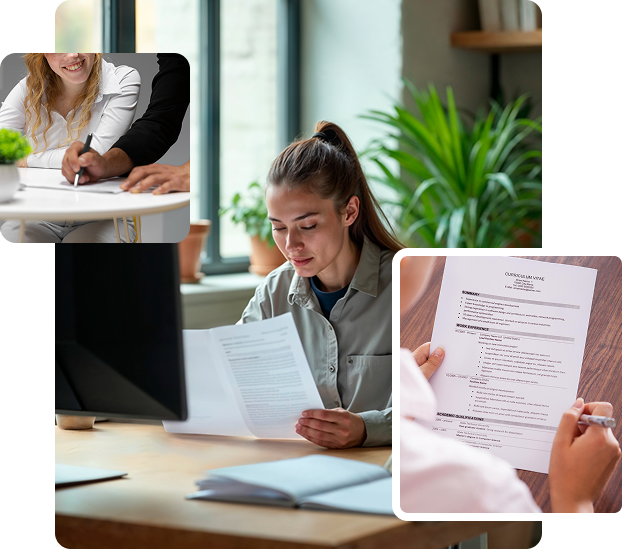
How to prepare for an interview
Research the company
Before your interview, learn about the company's services, values, culture and recent news. Understanding what the business does will help you give stronger answers and show genuine interest.
Study the job description
Read the job advert again and look closely at the skills, experience and personal qualities the employer is asking for. Think about how your background matches these requirements and be ready to give examples. This reflects the common job-board advice to tailor answers to the role rather than speaking in general terms.
Know your CV
Be ready to talk through your work history, key skills and achievements. Know your CV well enough to explain how your experience transfers to this role.
Practise common questions
Many interviews include predictable opening questions such as "Tell me about yourself", "Why do you want this role?" and "What are your strengths?" These are common, so it is worth preparing an answer for each.
Plan the details
Check the time, location, interviewer name and interview format in advance. If it is a video interview, test your device, sound and internet connection beforehand.
Common interview questions to
prepare for
These are some of the most common questions candidates are asked in interviews:
Most interview preparation comes down to practising common questions and preparing clear, concise answers in advance.
How to answer interview
questions well
Be clear and concise
Try to keep your answers focused. Start with the main point, then add a short example or explanation. Employers usually respond better to clear, structured answers than long, unfocused ones.
Use examples
Whenever possible, support your answer with a real example from work, study or volunteering. Competency-style questions ("Tell me about a time when...") are common, so have a few examples ready.
Connect your experience to the role
Do not just explain what you did in the past — explain why it matters for this role. Link each answer back to what the employer needs.
Stay honest
If you do not have direct experience in one area, be honest and show how similar experience or transferable skills can still help you succeed. This is especially useful for graduates, career changers and returners to work, which is a recurring theme across the major recruitment advice hubs.
Tips for answering
“Tell me about yourself”
This is often one of the first questions in an interview. It is a chance to give a concise overview of the most relevant points from your work history, your achievements and why you want this role.
A simple structure is:
- Who you are professionally
- Your most relevant experience
- One or two strengths or achievements
- Why this role is the right next step for you

Example answer:
I’m a customer service professional with three years of experience in retail and support-based roles. In my current position, I handle customer queries, resolve issues and help maintain strong satisfaction levels in a busy environment. I’m now looking for a role where I can build on that experience in a company with a strong service focus and more room to grow.
How to handle
interview nerves
Feeling nervous before an interview is normal. Good preparation can help reduce anxiety, and a confident mindset can help you stay calm and engaged.
To manage nerves:
- Prepare your answers in advance
- Practise out loud
- Arrive early or log in early
- Take a copy of your CV and the job description
- Slow down when speaking
- Remember that the interview is a two-way conversation
Questions to ask the
employer
At the end of an interview, you will often be asked if you have any questions. Asking thoughtful questions shows interest and helps you decide whether the role is right for you.
Good questions include:
- What would success look like in this role?
- What are the team's main priorities right now?
- What does the training or onboarding process look like?
- How would you describe the company culture?
- What are the next steps in the interview process?
Video interview tips
Many employers now use video interviews as part of the hiring process. Prepare for them as you would for a face-to-face interview, and check your setup beforehand.
For a better video interview:
- Test your camera and microphone beforehand
- Choose a quiet, tidy space
- Make sure the lighting is clear
- Dress as you would for an in-person interview
- Look at the camera when speaking
- Keep notes nearby, but do not read from them

After the interview
Once the interview is over, take a few minutes to reflect on what went well and what you would improve next time. It is fine to send a short thank-you message, and to ask for an update or feedback if you haven't heard back.
A short follow-up email can help you reinforce your interest in the role. Keep it polite, brief and professional.
Example answer:
Thank you for taking the time to speak with me today. I enjoyed learning more about the role and your team. The conversation strengthened my interest in the opportunity, and I appreciate the chance to be considered.
Common interview mistakes to avoid
-
Arriving late or joining late
-
Not researching the company
-
Giving vague or overly long answers
-
Speaking negatively about previous employers
-
Not knowing your own CV
-
Failing to prepare examples
-
Forgetting to ask questions
-
Not checking the interview format in advance
Most of these mistakes come down to preparation - which is good news, because preparation is in your control.

Interview advice for different situations
First interview
Focus on preparation, confidence and clear examples from education, volunteering, part-time work or placements.
Career change interview
Emphasise transferable skills, adaptability and why you are making the move now.
Return to work interview
Highlight your readiness, recent activity, strengths and how your experience still adds value.
Second interview
Be ready for more detailed questions about fit, motivation, team style and long-term potential. Later stages usually need more detailed preparation than the first.
Frequently Asked Questions
Research the company, review the job description and your CV, and prepare answers to common questions. Practise aloud and plan your journey or video setup in advance.
Ready for your next interview?
A strong interview starts with good preparation. Learn the role, practise your answers and show employers why you are the right fit.
Quick interview checklist
- Have you researched the company?
- Do you know the job description?
- Can you explain your CV clearly?
- Have you practised common questions?
- Do you have questions to ask at the end?
Need to prepare fast?
Use these interview tips to build confidence, improve your answers and make a stronger impression.